
Service

Non-Invasive Ventilation (NIV)

Dr. Raju's Chest Centre Services Critical Chest Care Non-Invasive Ventilation (NIV)
Non Invasive Ventilation Support

Non-Invasive Ventilation (NIV)

Advanced Breathing Support Without the Need for Intubation

What is Non-Invasive Ventilation?

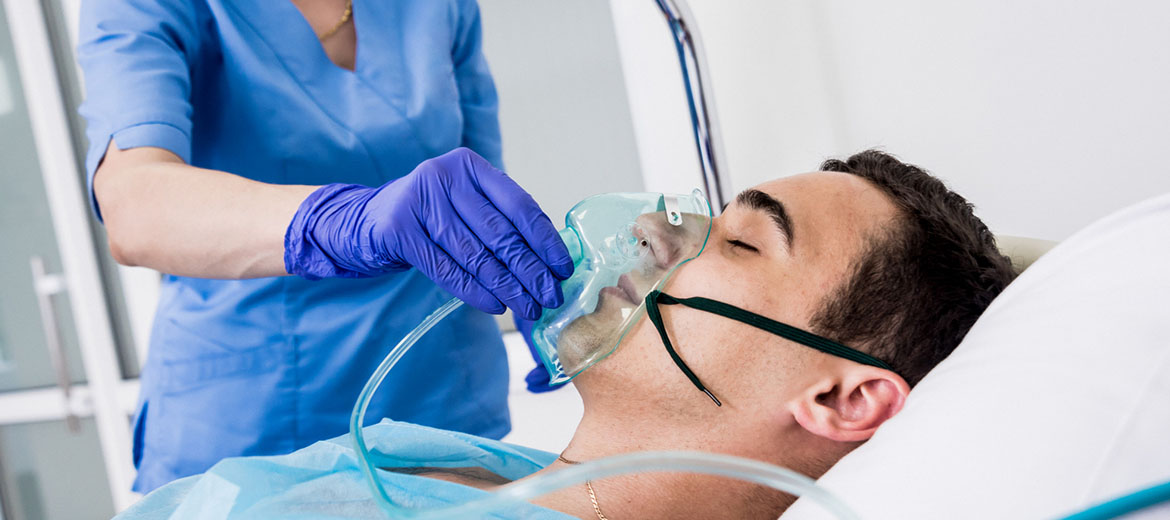
Non-Invasive Ventilation (NIV) is a method of providing ventilatory support through a mask fitted over the nose or face, without inserting a breathing tube into the airway.

NIV helps improve oxygenation, reduce carbon dioxide levels, and decrease the work of breathing in patients with respiratory distress. It is commonly used in both emergency and chronic respiratory care settings.

When is NIV Required?

  • Acute exacerbation of COPD
  • Acute respiratory failure
  • Severe asthma attacks
  • Cardiogenic pulmonary edema
  • Obesity hypoventilation syndrome
  • Neuromuscular respiratory weakness
  • Post-extubation respiratory support
  • Sleep-related breathing disorders

Who May Benefit from NIV?

Patients experiencing moderate to severe breathing difficulty, rising carbon dioxide levels, low oxygen saturation, or those at risk of respiratory failure may benefit from NIV. It is often recommended before considering invasive mechanical ventilation.

How is Non-Invasive Ventilation Administered?

NIV is delivered through a tight-fitting nasal or full-face mask connected to a ventilator. The machine provides positive airway pressure to assist breathing.

Common modes include CPAP (Continuous Positive Airway Pressure) and BiPAP (Bilevel Positive Airway Pressure). Patients are continuously monitored to ensure effective ventilation and comfort.

Benefits of Non-Invasive Ventilation

Avoids Intubation

Reduces the need for invasive mechanical ventilation.

Improves Gas Exchange

Enhances oxygen levels and removes excess carbon dioxide.

Shorter Hospital Stay

Helps stabilize patients faster and supports quicker recovery.

Frequently Asked Questions

NIV is generally comfortable, though patients may need time to adjust to the mask and airflow pressure.

The duration depends on the patient's condition. Some require short-term support, while others may need longer periods under supervision.

Yes, in certain chronic conditions such as sleep apnea or neuromuscular disorders, NIV devices may be prescribed for home use.

Advanced Respiratory Support Without Intubation

Expert evaluation and monitored non-invasive ventilation for improved breathing.

Consult a Respiratory Specialist arrow